Real-World Review: Circular Mandala for Embroidery Projects
When I first opened the Circular Mandala bundle, my initial reaction wasn't about the file size or the number of designs included. It was about the mood. There is a specific energy that comes from a well-balanced circular design, and this collection immediately felt like it belonged on a high-end boutique tote bag or a carefully stitched nursery pillow. As someone who has spent years turning digital graphics into tangible handmade products, I know that not every embroidery design translates well from the screen to the fabric. Some designs look beautiful in a preview but fall apart under the needle. This review focuses on how the Circular Mandala actually performs when used in real projects, from custom apparel to commercial embroidery pieces.
The First Stitch: Visual Impact and Design Personality
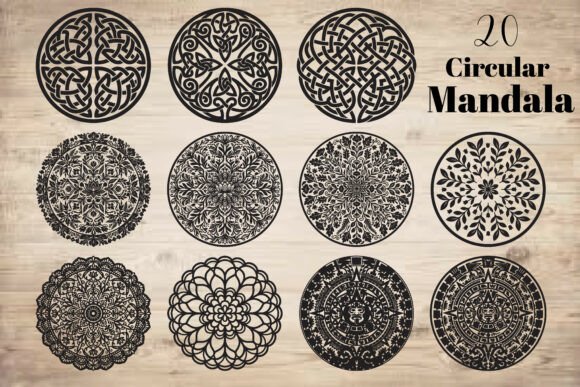
The Circular Mandala features elegant floral, Celtic, ornamental, and decorative round elements. In the world of Graphics and Crafts, simplicity often wins, but there is a fine line between simple and sparse. These 20 designs strike a balance that feels substantial without being overwhelming. The symmetry inherent in a mandala shape provides a natural focal point, which is exactly what you want when designing a tote bag design or a centered chest logo for a sweatshirt.
Visually, the layout suggests a premium feel. When I imagine stitching these onto a light-colored linen apron, the intricate details promise a sense of craftsmanship that elevates the perceived value of the item. For an Etsy seller or a small shop owner, this kind of visual appeal is crucial. Customers scroll quickly; they need a finished product that looks professional and intentional. The Circular Mandala delivers that polished aesthetic, making it an excellent choice for creating unique gifts or boutique branding items where attention to detail matters.
Putting It to the Test: Real-Life Scenarios
To truly evaluate a design, you have to put it through its paces. Let's say I am preparing a custom order for a client who wants personalized baby items. I pull up the Circular Mandala file to create a set of embroidered bibs and burp cloths. The circular nature of the design works beautifully here because it frames the soft fabrics perfectly. However, the success of this project depends heavily on the execution.
Imagine now that I am working on a holiday gift collection. I decide to use one of the more detailed variations from the bundle for embroidered patches on denim jackets. The dense, ornamental patterns within the circle can create a striking contrast against rugged denim, adding a touch of bohemian flair to a standard garment. This versatility is key. Whether I am designing for baby embroidery, holiday embroidery, or commercial embroidery on corporate merchandise, the core structure of the Circular Mandala holds up. It acts as a versatile anchor for various creative concepts.
I also considered using this for a series of kitchen towels. The symmetrical round design fits the square canvas of a tea towel with ease. When stitched with high-quality thread colors, it transforms a utilitarian item into a piece of decor. This ability to bridge the gap between functional goods and art is what makes a digital embroidery file worth investing in for a craft business.
Where Caution Is Required: Fabric and Technique
While the Circular Mandala is robust, no single design is perfect for every situation. As an experienced designer, I must be realistic about where this design might struggle. One of the primary challenges with mandala-style files is their potential density. If the stitch count is high, using this on thin or stretchy fabric without proper stabilization can lead to puckering. This is a common pitfall for hobbyists who might skip the step of testing on scrap fabric first.
Small hoop sizes present another hurdle. If you are trying to fit a large mandala into a 4x4 inch hoop, the outer details may get cut off or distorted. You need to ensure your hoop size matches the design dimensions before sending it to the machine. Furthermore, textured fabrics like terry cloth or heavy boucle can obscure the finer lines of the floral and Celtic elements. In these cases, the design might lose its clarity, resulting in a muddy appearance rather than the crisp definition seen in mockups.
Dense stitch areas are also a concern. If the design relies heavily on satin stitch for the outlines, it can become stiff. This stiffness is acceptable for a patch or a hard surface, but it might be uncomfortable if placed directly against sensitive skin on a baby onesie. Additionally, dark fabrics require careful consideration of thread colors. A light-colored mandala on black fabric will pop, but it requires a higher thread count or a different underlay strategy to ensure coverage. Always check the stitch density and adjust your settings accordingly.
Impact on Product Value and Customer Trust
The quality of the final finished product directly influences customer trust. A well-executed Circular Mandala design signals professionalism. When a buyer receives a personalized gift or a handmade item that features clean, precise stitching, they are more likely to leave a positive review and return for future purchases. Conversely, skipped stitches or misaligned circles can damage a brand's reputation instantly.
This design asset helps maintain brand consistency. Because the shapes are geometrically balanced, they lend themselves to cohesive collections. You can create a matching set of pillow covers, aprons, and caps that all feature the same motif, creating a recognizable identity for your small shop product. This level of curation is what separates casual makers from serious entrepreneurs. The Circular Mandala provides the foundation for a professional presentation that appeals to discerning buyers.
Practical Designer Notes for Success
Before you start stitching, there are several technical steps you should take to ensure success. First and foremost, always test the embroidery file on a scrap piece of fabric similar to your final material. This allows you to see how the fill stitch and running stitch interact with the weave of the cloth. Check the thread color contrast by viewing the design in black and white mockups; sometimes a color that looks good on screen fails to provide enough contrast in person.
Confirm the licensing terms before selling finished items. While the design is great for custom apparel, some bundles restrict commercial use for certain types of products. Make sure you understand whether you can sell the physical items or if you are limited to personal use. Also, inspect the small details closely. In a complex mandala, tiny loops can sometimes cause thread breaks if the tension isn't perfect. Using the correct stabilizer is non-negotiable; a heavy-duty cut-away stabilizer is often necessary for maintaining the shape of these round designs on garments that will be washed frequently.
Finally, compare the design on both light and dark backgrounds during your planning phase. The Circular Mandala is versatile, but its impact changes based on the substrate. By taking these practical steps, you transform a simple design asset into a reliable tool for your creative workflow. Whether you are an apparel decorator, a creative entrepreneur, or a dedicated hobbyist, understanding the nuances of the Circular Mandala ensures that your next project is a success.