Floral Jewelry: A Designer's Review for Real Embroidery Projects
When I first opened the Floral Jewelry design file, my initial reaction wasn't about the technical specifications or the stitch count. It was about the mood. There is a distinct elegance to this collection that immediately suggests it belongs in a boutique setting rather than a mass-produced factory floor. As someone who has spent years reviewing embroidery files and testing them on everything from baby onesies to heavy canvas tote bags, I look for designs that tell a story before they even touch the fabric. This piece delivers exactly that.
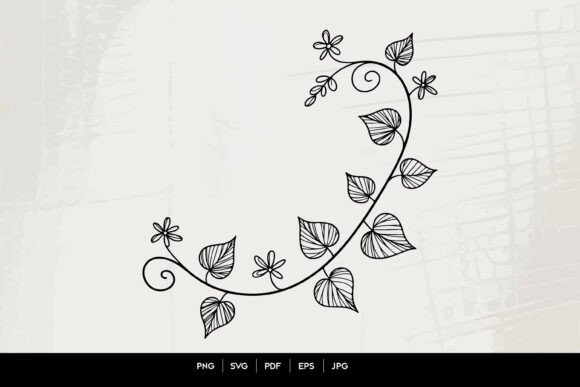
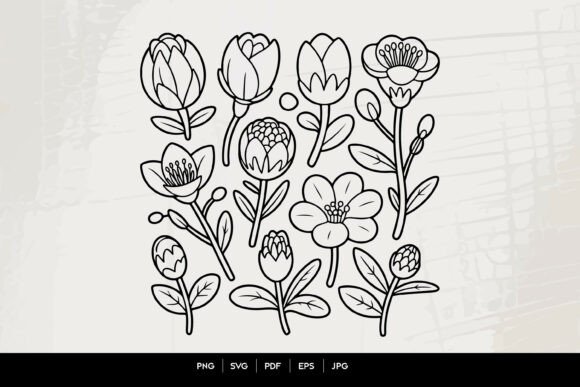
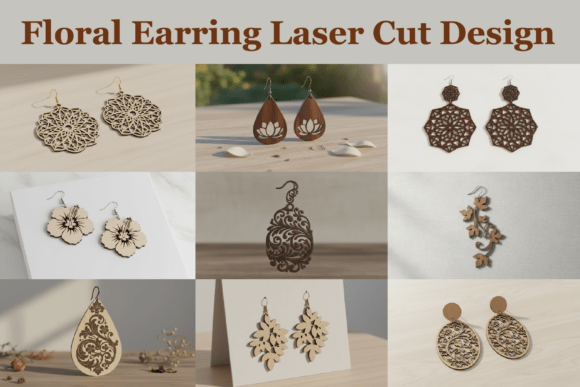
The name Floral Jewelry might initially confuse some who expect actual jewelry components, but as a graphic asset within the Crafts category, it serves as a stunning visual metaphor. The layout feels organic yet structured, mimicking the delicate nature of floral arrangements while maintaining the geometric precision required for high-quality machine embroidery. It creates an atmosphere of refined craftsmanship, making it an ideal candidate for designers looking to elevate their brand identity or create premium handmade products.
From Digital File to Finished Product: A Real-World Scenario
Let me walk you through how I envision using Floral Jewelry in a practical, real-world scenario. Imagine you are an Etsy seller preparing for the upcoming holiday season. You want to launch a limited edition line of embroidered patches or custom aprons for home bakers. The goal is to create something that looks expensive and thoughtful without requiring hours of hand-stitching.
I took the Floral Jewelry design and placed it on a mockup of a dark navy linen apron. The immediate visual impact was striking. The intricate details of the floral elements contrasted beautifully against the deep background, creating a focal point that draws the eye immediately. Unlike generic floral patterns that can sometimes look muddy when stitched densely, this design maintains clarity. The petals and stems have a natural flow that guides the viewer's gaze across the garment.
In this context, the design transforms a simple utility item into a statement piece. If you were to sell these aprons at a craft fair, the perceived value would skyrocket simply because the embroidery looks intentional and professional. Customers often associate complex, well-executed floral motifs with higher quality, and Floral Jewelry provides that assurance right out of the hoop. It bridges the gap between a digital graphic and a tactile, cherished object.
Where This Design Shines in Your Inventory
While many designs are versatile, certain assets fit specific niches better than others. Based on my experience with similar Graphics bundles, here is where Floral Jewelry excels:
- Custom Apparel: On sweatshirts or t-shirts, the design works exceptionally well as a left-chest logo or a centered back print. The floral theme adds a softness to streetwear that makes it more approachable for a wider audience.
- Baby Items: The delicate nature of the flowers makes it perfect for nursery decor, baby blankets, or christening gowns. When stitched in pastel thread colors, it becomes a timeless keepsake.
- Tote Bags: For the eco-conscious crafter, placing this design on a sturdy canvas bag creates a chic accessory. It pairs well with the "handmade" aesthetic that is currently trending in the craft business market.
- Holiday Gifts: During winter holidays, this design can be adapted for pillow covers or kitchen towels. The floral motif offers a year-round appeal, but it also works beautifully as a spring-themed gift.
- Embroidered Patches: If you are producing iron-on patches for jackets or denim vests, the clean lines of Floral Jewelry ensure that the edges will hold up well during the cutting process.
For small shop owners and creative entrepreneurs, having a design like this means you can offer personalized gifts that feel bespoke. Whether you are creating a wedding gift for a bridesmaid or a corporate logo for a boutique client, the versatility of the floral theme allows you to customize thread colors to match any brand palette.
Practical Considerations for Stitching Success
As an experienced designer, I always urge caution when moving from screen to fabric. While Floral Jewelry is visually appealing, its success depends heavily on execution. Here are the critical factors you need to consider before hitting the start button on your machine.
Stitch Density and Detail: Floral designs often contain fine lines and small curves. Before committing to a final product, you must check the stitch density. If the design is too dense, it can cause puckering, especially on lighter fabrics. Conversely, if the fill stitches are too sparse, the design may lack body. I recommend running a test on scrap fabric to see how the satin stitch handles the curves of the petals. Ensure that the running stitch elements connecting the flowers are long enough to prevent bunching.
Fabric Texture and Type: The texture of your base material plays a huge role in the final look. Smooth, tightly woven fabrics like cotton poplin or sateen will render the details of Floral Jewelry with the highest clarity. However, if you plan to use this on textured fabrics like bouclé or thick fleece, the finer details might get lost in the weave. In such cases, you may need to adjust the design or simplify the smaller elements.
Thread Color Contrast: One of the most common mistakes I see in commercial embroidery is poor color selection. If you are stitching this design on a dark fabric, ensure you choose a light or metallic thread that pops. For a subtle look on light fabrics, a tonal thread choice can create a sophisticated, low-key effect. Always review your thread colors in both full color and black-and-white mockups to ensure the design retains its shape and hierarchy.
Areas Requiring Extra Caution
There are specific scenarios where Floral Jewelry requires careful planning. Avoid using this design on extremely stretchy fabrics without proper stabilization, as the tension can distort the floral shapes. Similarly, be wary of using it on very small hoop sizes; if the design includes tiny lettering or minute details, shrinking the frame might make those elements illegible or difficult to stitch cleanly.
Curved surfaces, such as baseball caps or beanies, present another challenge. While the design is adaptable, the curvature of the hat can alter the perspective of the flowers. You may need to reposition the design or adjust the digitization slightly to account for the curve. Additionally, for items that require frequent washing, like kitchen towels or work aprons, ensure that the stabilizer used is robust enough to support the design throughout its lifecycle.
Final Thoughts for the Creative Professional
In the world of machine embroidery design, finding a file that balances aesthetic beauty with technical reliability is rare. Floral Jewelry hits that sweet spot. It offers a level of detail that elevates a project from a hobbyist effort to a professional offering. Whether you are an Etsy seller looking to expand your catalog or a small business owner aiming to improve your product presentation, this design asset is a valuable addition to your library.
Before you begin your next embroidery project, remember to verify the licensing terms. Confirm whether the file allows for commercial use on finished goods or if it is restricted to personal projects. Also, double-check the file formats to ensure compatibility with your specific embroidery machine. Once those technical boxes are checked, you can focus on what matters most: creating something beautiful.
Ultimately, the value of Floral Jewelry lies in its ability to inspire. It reminds us that even a simple digital file can transform a plain piece of fabric into a work of art. By paying attention to the nuances of fabric, thread, and stabilization, you can turn this design into a cornerstone of your handmade product line. So, grab your hoop, select your best threads, and let the creativity flow.