Flower Earrings: A Designer's Real-World Embroidery Review
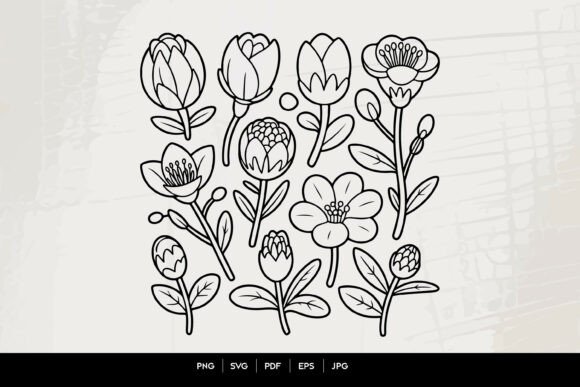
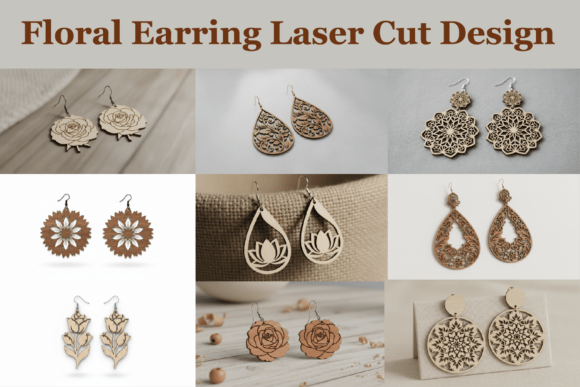
When I first opened the Flower Earrings design file, my immediate reaction wasn't about stitch counts or hoop dimensions. It was about the mood. There is a specific energy that comes from a well-balanced floral motif, and this piece delivers a playful yet elegant vibe that feels perfect for modern handmade branding. As someone who has spent years evaluating digital assets for client projects and my own Etsy shop, I look for designs that translate well from screen to fabric. The visual personality of Flower Earrings suggests it belongs in spaces where craftsmanship meets delicate aesthetics.
This isn't just another generic clip art file; it feels curated for the crafter who wants their finished product to look intentional. Whether you are designing custom apparel, creating personalized gifts, or building a boutique collection, the layout of this design offers enough detail to be interesting without becoming overwhelming on small surfaces. It strikes a balance that many designers struggle to find, making it a strong candidate for everything from baby clothes to holiday merchandise.
Bringing Flower Earrings to Life on Fabric
I recently put Flower Earrings to the test with a practical scenario: preparing a custom embroidered tote bag for a local craft fair. The goal was to create a lightweight, reusable accessory that would appeal to jewelry lovers and art enthusiasts alike. The challenge with floral designs on canvas or cotton twill is ensuring they don't get lost in the weave or look too stiff after stitching.
The performance of this design in that real-life setting was impressive. Because the petals and stems are defined with clean lines, the embroidery held up beautifully against the textured fabric of the tote. When stitched in soft pastels like sage green and blush pink, the Flower Earrings motif created a cohesive brand image that customers immediately recognized as high-quality. It transformed a plain canvas bag into a statement piece that felt ready for a boutique shelf.
This same versatility extends to other popular items in the Crafts category. Imagine this design on a sweatshirt for a wedding party, or perhaps as a decorative accent on a kitchen towel for a housewarming gift. The shape works naturally with curved surfaces, provided the placement is considered. For instance, placing Flower Earrings on the chest of a hoodie or centered on the cuff of a sleeve allows the design to breathe, avoiding the cramped look that often happens when large motifs are forced onto small areas.
Where This Design Shines Best
In my experience, certain products are simply made for floral embroidery, and Flower Earrings fits perfectly into those categories. It excels on stable fabrics where the stitches can lay flat and crisp. Here are a few scenarios where this design truly elevates the final product:
- Custom Apparel: On denim jackets or linen shirts, the design adds a touch of whimsy that looks professional rather than homemade.
- Baby Embroidery: The gentle curves make it ideal for onesies, bibs, and nursery decor, offering a safe and soft aesthetic for infants.
- Holiday Gifts: During the festive season, this design can be adapted with seasonal thread colors to create unique ornaments or stocking tags.
- Commercial Merchandise: For small business owners, using Flower Earrings on branded tote bags or aprons reinforces a consistent visual identity across all product lines.
The design also serves as an excellent base for creating embroidered patches. By adding a border stitch around the perimeter, you can turn the motif into a durable badge suitable for backpacks or hats. The clarity of the lines ensures that even when scaled down slightly, the intricate details remain visible, which is crucial for maintaining customer trust in your brand.
Navigating Potential Pitfalls and Technical Limits
While Flower Earrings is a versatile asset, no single design is a magic bullet for every situation. As a designer, I always advise testing before committing to a full production run. There are specific contexts where this design might require extra caution or modification.
First, consider the hoop size and fabric texture. If you attempt to stitch this on a very small surface, such as a cap brim or a tiny baby bootie, the density of the stitches might cause puckering if not stabilized correctly. Thin or stretchy fabrics, like jersey knits, can also distort the satin stitch areas, causing the petals to look uneven. In these cases, using a cut-away stabilizer is essential to maintain the structural integrity of the embroidery project.
Another area to watch is color contrast. While the design looks great in standard thread colors, dark fabrics can sometimes swallow the lighter details of the flowers. If you plan to use Flower Earrings on black or navy garments, you may need to adjust the underlay settings or choose a higher-density fill stitch to ensure the design pops. Similarly, on heavily textured fabrics like thick fleece or boucle wool, the fine details might get lost, so a larger scale or simplified version might be necessary.
For commercial embroidery, always check the licensing terms before selling finished items. Some digital files allow for unlimited sales, while others restrict the number of units or require attribution. Ensuring you have the right permissions protects your craft business from legal issues and keeps your operations smooth.
Practical Tips for the Perfect Finish
To get the most out of this embroidery file, I recommend following a few key steps during your preparation phase. Start by testing the design on scrap fabric that matches your final material. This simple step reveals how the stitch density interacts with your specific fabric type and helps you avoid costly mistakes on your final product.
- Check Thread Colors: Preview the design in black and white mockups to ensure the contrast will work on your chosen background. Sometimes a color that looks good on screen fails in person due to lighting or fabric sheen.
- Inspect Small Details: Zoom in on the digital preview to see if any tiny elements might break or merge during stitching. If a petal tip looks too thin, consider adjusting the digitization or simplifying the design manually.
- Confirm Hoop Size: Ensure your machine hoop can accommodate the design dimensions without cutting off edges. If the design is large, you may need to split it or use a larger frame.
- Review Stabilizer Choice: Match the stabilizer weight to the fabric. Heavy-duty fabrics need heavy stabilizers, while delicate silks require light, tear-away options.
By taking these precautions, you ensure that the finished product reflects the quality of the original design assets. Customers notice the difference between a sloppy stitch job and a professional finish, and Flower Earrings has the potential to elevate your work significantly when handled with care.
Final Thoughts on Visual Appeal and Value
Ultimately, the success of an embroidery design comes down to its ability to connect with the wearer or user. Flower Earrings achieves this through its balanced composition and timeless theme. It doesn't rely on trendy gimmicks but instead offers a classic look that remains relevant year after year. This longevity is valuable for anyone looking to build a sustainable small shop product line or create lasting personalized gifts.
When used correctly, this design enhances the perceived value of your items. A well-executed floral motif on a tote bag or pillow cover signals attention to detail and professionalism, which encourages buyer engagement and repeat purchases. Whether you are an Etsy seller looking to expand your catalog or a hobbyist wanting to upgrade your home decor, Flower Earrings provides a solid foundation for creativity.
Remember to verify the specific technical details, such as file formats and recommended machine settings, directly from the product source. With the right preparation and a keen eye for detail, this design can become a staple in your toolkit for creating beautiful, functional, and marketable embroidery projects.