Tulip Flower Silhouette Line Art Review
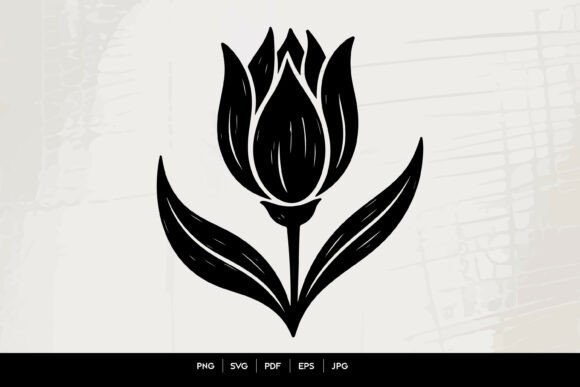
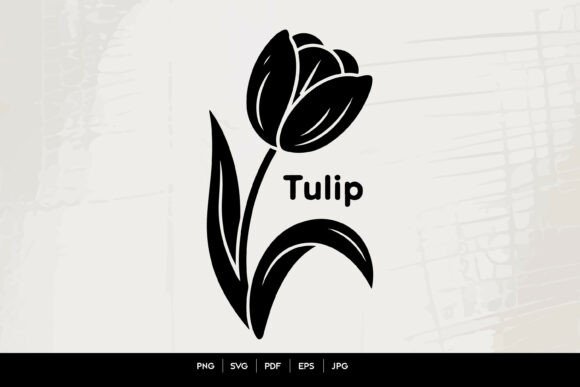
When I first opened the file for Tulip Flower Silhouette Line Art, I didn't see just another floral graphic. As a designer who has stitched thousands of items for clients and craft fairs, I immediately looked at how this design would translate from a screen to a needle. In the world of machine embroidery, the difference between a good design and a great one often comes down to simplicity and clarity. This silhouette captures that balance perfectly.
The mood it creates is undeniably fresh and spring-like. The clean lines suggest a minimalist aesthetic that feels modern rather than dated. Unlike complex realistic flowers that can get lost in dense stitch work, this Tulip Flower Silhouette Line Art relies on negative space and strong outlines. It screams "botanical garden" without trying too hard. For a small business owner or an Etsy seller looking to create cohesive branding, this kind of visual personality is gold. It works well for anything from a nursery wall hanging to a boutique tote bag.
From Screen to Stitch: A Real-World Scenario
Let's talk about a real project. Imagine you are preparing a custom order for a local client who wants a personalized gift for their mother's birthday. They requested something elegant but not overly fussy. You decide to embroider a set of kitchen towels featuring a simple floral motif. This is where Tulip Flower Silhouette Line Art shines.
If I were stitching this onto a tea towel, I would likely use a satin stitch for the outline to give it a crisp, defined edge. Because the design is a silhouette, there is no need for intricate fill stitches inside the petals, which saves time and reduces thread bulk. The result would be a high-quality finished product that looks professional even on a budget-friendly fabric. The customer wouldn't just see a flower; they would see a polished, intentional design that elevates the value of the towel.
Now, imagine applying this same design to a sweatshirt for a spring fashion line. The silhouette cuts through the texture of the fleece beautifully. When you run your hand over the embroidery, the smooth lines of the tulip stand out against the soft material. It feels like a premium addition to a handmade garment. Whether you are making apparel for a holiday market or creating merchandise for a craft business, this design asset adds a layer of sophistication that customers appreciate.
Where This Design Fits Best
In my experience evaluating embroidery files, knowing where a design belongs is half the battle. Tulip Flower Silhouette Line Art is versatile, but it has specific sweet spots where it performs exceptionally well.
- Custom Apparel: On t-shirts, hoodies, and denim jackets, the clean lines provide a sharp contrast. It works particularly well as a chest pocket design or a larger back print.
- Baby Items: For baby clothes, bonnets, or blankets, the gentle curves of the tulip are safe and soothing. The lack of tiny, intricate details means there is less risk of the design feeling scratchy or uncomfortable against sensitive skin.
- Home Decor: Pillow covers, aprons, and napkins benefit from the timeless nature of this floral theme. It fits seamlessly into rustic, modern, or farmhouse aesthetics.
- Accessories: Caps and hats are tricky because of the curved surface, but a silhouette design like this avoids the distortion issues common with detailed fills. An embroidered patch using this file would look crisp on a messenger bag or a cap brim.
This design is also excellent for digital product sellers. If you are creating printable mockups or selling digital assets, having a clean vector version allows you to show potential buyers exactly how the final product will look. It helps build trust before the customer even buys the physical item.
Caution Areas and Technical Considerations
While I am a fan of this design, every experienced designer knows that nothing is perfect for every situation. There are specific scenarios where you need to exercise caution with Tulip Flower Silhouette Line Art.
First, consider the hoop size. If you attempt to stitch this in a very small hoop, the fine lines of the silhouette might become too thin to register clearly. Thin lines can sometimes break or disappear entirely if the stitch density isn't adjusted correctly. Always test the design on scrap fabric to ensure the smallest details hold up.
Fabric choice is equally critical. On stretchy fabrics like jersey or thin knits, a simple outline might pucker if you don't use the right stabilizer. You must reinforce the area with a cut-away or tear-away stabilizer depending on the fabric weight. Similarly, on textured fabrics like heavy wool or corduroy, the definition of the silhouette might get lost in the weave of the cloth. In those cases, a lighter background fabric or a smoother surface is preferred.
Dense stitch areas can also be a concern. While this is a line art design, if you try to over-stitch it to make it pop, you might end up with a thick, lumpy mess. Let the design breathe. Sometimes less is more. Also, be mindful of dark fabrics. If you plan to stitch this on black cotton, you will need a high-contrast thread color, perhaps white or metallic, to ensure the silhouette stands out. Without proper contrast, the design loses its impact.
Visual Appeal and Brand Value
Why does this matter? Because in the handmade economy, presentation is everything. A well-executed embroidery project signals professionalism. When a buyer receives a gift or purchases a product, the quality of the stitching tells them about the care put into the creation. Tulip Flower Silhouette Line Art supports brand consistency. If you are building a shop focused on nature, spring, or botanical themes, this design reinforces that identity instantly.
It also enhances giftability. People love personalized gifts, but they want them to look expensive. A clean, minimal embroidery design often reads as more luxurious than a cluttered, colorful one. It appeals to a wide audience, from the person who loves traditional crafts to the modern homeowner who prefers sleek decor.
Practical Designer Notes Before You Start
Before you hit the start button on your machine, here are a few steps I always recommend to ensure success with any digital embroidery file.
- Test First: Never stitch directly onto your final product. Use a scrap piece of the same fabric and stabilizer combination to check the stitch density and alignment.
- Check Thread Colors: Look at your thread spools. Ensure the colors you choose complement the silhouette. High contrast usually yields the best results for line art.
- Review File Formats: The package includes PNG, SVG, EPS, PDF, and JPG. Make sure you are opening the correct vector format (SVG or EPS) for your embroidery software to resize without losing quality.
- Inspect Small Details: Zoom in on the digital file. Are the stems and leaves distinct enough? If the lines are too close together, they may merge during stitching.
- Confirm Licensing: If you plan to sell finished products made with this design, double-check the license terms. Some designs are for personal use only, while others allow commercial sales. Knowing this protects your small shop from legal issues.
- Use Proper Stabilizer: Don't skimp on stabilizer. It is the backbone of a good embroidery project. For this type of design, a medium-weight stabilizer usually provides the necessary support.
Ultimately, Tulip Flower Silhouette Line Art is a solid choice for anyone looking to add a touch of elegance to their embroidery projects. It is practical, stylish, and versatile. Whether you are crafting a one-of-a-kind gift or scaling up production for your Etsy store, this design offers a reliable foundation for beautiful work. Just remember to respect the fabric, choose your threads wisely, and always test before you commit. That is the secret to turning a digital file into a treasured physical object.