Floral Woman Line Art Portrait: Real Embroidery Review
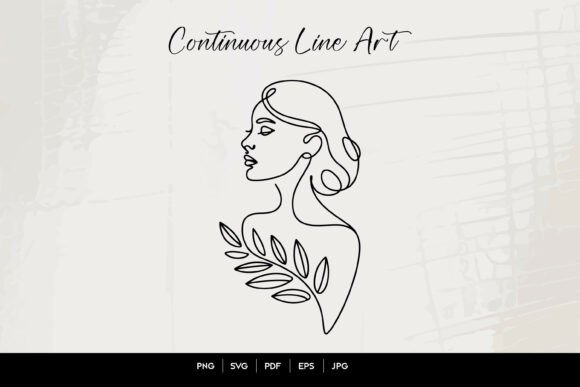
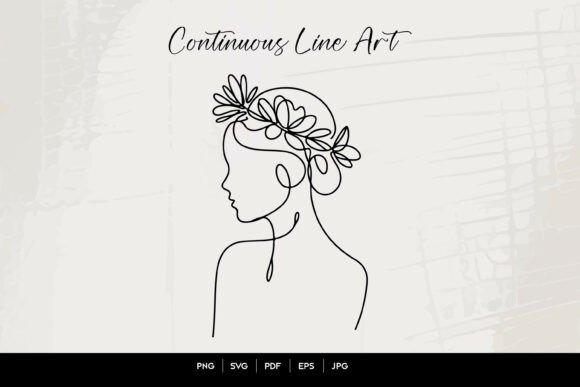
When I first opened the Floral Woman Line Art Portrait file, my immediate reaction wasn't about the technical specs or the list of formats. It was about the mood. As a designer who spends hours evaluating graphics for real-world stitching projects, I look for that specific spark where a digital image transforms into something tactile and tangible. This design delivers exactly that. It feels like a quiet moment in a garden, captured in a single continuous stroke. The elegance is understated, avoiding the cluttered look that often plagues busy floral patterns, making it a perfect candidate for the modern minimalist aesthetic that dominates handmade markets today.
The concept itself—a feminine silhouette woven seamlessly with botanical elements—suggests versatility without screaming for attention. It doesn't feel like a generic clipart piece; it feels curated. For an embroidery project to succeed, especially one intended for commercial sale on platforms like Etsy or at craft fairs, the visual narrative must be strong from the very first glance. This design offers a sophisticated balance between detail and negative space, which is crucial when translating a flat graphic into thread. The line work promises clarity, but as any seasoned stitcher knows, the devil is in the execution. That is why I decided to put this design through a rigorous mental simulation before committing it to fabric.
From Screen to Stitch: A Real-World Scenario
Imagine you are preparing a custom order for a boutique client who wants a personalized gift for a bride-to-be. You need something elegant enough for a wedding theme but casual enough for a bridal shower tote bag. You pull up the Floral Woman Line Art Portrait. On the screen, the lines are crisp, but how will they hold up under the tension of a machine needle? In this scenario, the design shines because its linear nature allows for excellent definition even on a canvas that might shift slightly during the stitching process.
I envision this design stitched onto a high-quality cotton canvas tote bag using a soft, dusty rose thread against a natural beige background. The running stitches would mimic the delicate flow of the woman's hair, while the flower petals could utilize a satin stitch to add a subtle sheen without overwhelming the minimal vibe. The result would be a finished product that looks handcrafted and expensive, elevating a simple tote into a premium accessory. Similarly, think about a baby onesie or a nursery pillow cover. The gentle curves of the portrait create a soothing visual rhythm that appeals to parents looking for gender-neutral yet beautiful decor. Unlike bold, blocky designs that can look harsh on small items, this artwork breathes, creating a sense of calm that fits perfectly in a nursery setting.
However, the transition from digital file to physical garment requires careful consideration. If you plan to use this for a sweatshirt embroidery project, the larger surface area provides ample room for the design to breathe. But if you attempt to shrink it down for a cap or a small embroidered patch, the fine lines might get lost in the curve of the hat or the density of the backing. The design relies on open space to maintain its character, so forcing it into a tiny hoop size could compromise the integrity of the woman's facial features and the surrounding blossoms.
Where Caution Is Required
While the Floral Woman Line Art Portrait is versatile, it is not a magic bullet for every fabric type. I have seen beautiful designs fail simply because the stabilizer choice didn't match the fabric texture. With thin fabrics like chiffon or lightweight jersey, the tension required to stitch these fine lines might cause puckering. You must use a cut-away stabilizer to ensure the design holds its shape over time, especially if the item is meant to be washed frequently. Stretchy fabrics are particularly risky; unless you are an expert in stabilizing knits, the lines might distort, turning the elegant portrait into something that looks wavy and unprofessional.
Dark fabrics present another challenge. Since this is a line art design, it relies heavily on contrast. If you stitch white thread on black fabric, the lines might disappear if the thread count isn't high enough. Conversely, dark thread on dark fabric can make the design invisible until the light hits it just right. Before launching into a full production run for your small shop product line, I strongly advise testing the design on scrap fabric first. Check the thread color contrast by holding the sample up to different lighting conditions. Inspect the small details around the eyes and the tips of the flowers to ensure the needle hasn't skipped a beat or created a hole in the fabric.
Furthermore, consider the density of the stitch areas. While line art typically avoids heavy fill stitches, the points where the flowers intersect with the woman's hair might require a denser concentration of thread. If the stitch density is too high, the fabric beneath may become stiff and uncomfortable, ruining the drape of a garment like an apron or a kitchen towel. Always review the stitch density settings in your digitizing software and adjust them to suit the specific fabric weight you are using.
Impact on Brand and Customer Trust
In the world of creative entrepreneurship, the quality of your finished product directly impacts customer trust. A sloppy stitch job on a $30 tote bag can lead to negative reviews that hurt your reputation. However, a well-executed Floral Woman Line Art Portrait design signals professionalism. It shows that you care about the details, from the initial digital preview to the final press. When customers see a clean, precise embroidery job, they perceive higher value in the handmade product, which justifies a higher price point.
This design also enhances brand consistency. Whether you are selling digital embroidery files or finished goods, the cohesive aesthetic of the floral woman motif creates a recognizable style signature. It works beautifully for holiday gifts, adding a touch of seasonal warmth to stockings or ornaments. For printable mockups used in online listings, the design translates well, allowing potential buyers to visualize the final result clearly. The minimal approach ensures that the focus remains on the craftsmanship rather than distracting patterns, making it a reliable asset for any commercial embroidery project.
Practical Designer Notes for Success
Before you start stitching, there are a few non-negotiable steps to take. First, confirm the licensing terms. Just because you bought the file does not automatically mean you can sell unlimited quantities of finished items. Check whether the license covers commercial use for both personal and commercial projects. Next, verify the file formats. You mentioned getting PNG, SVG, EPS, PDF, and JPG files. Ensure you have the vector formats (SVG/EPS) for scaling without losing quality, especially if you plan to resize the design for different products like tea towels versus baby clothes.
Use proper stabilizer for every single layer of your project. Don't guess; test. Compare light and dark fabric backgrounds to ensure the thread colors pop. If you are unsure about the stitch density, reach out to the creator or check the documentation provided with the download. Finally, test the design in black and white mockups to see how the composition holds up without the distraction of color. This helps you judge the balance of the lines and the overall layout.
The Floral Woman Line Art Portrait is more than just a graphic; it is a tool for creating meaningful, high-quality handmade products. By approaching it with the right technical knowledge and a keen eye for detail, you can turn a simple digital file into a cherished keepsake or a best-selling item in your shop. Whether you are a hobbyist looking to make a unique gift or a business owner scaling your craft business, this design offers a solid foundation for success. Just remember: preparation is the key to perfection in machine embroidery.