Ornamental Floral Corners: A Designer's Real-World Review
When I first opened the folder for Ornamental Floral Corners, I didn't just see a bundle of graphics; I saw potential solutions for a backlog of client requests. As someone who spends hours balancing stitch density with fabric texture, my initial reaction was one of cautious optimism. The description promises a mix of modern, vintage, and decorative elements, but in the world of machine embroidery, descriptions are merely the menu, not the meal. The real test happens when the hoop is clamped, the stabilizer is applied, and the needle starts to dance.
This collection is designed for the Crafts and Graphics sectors, specifically targeting those who need versatile assets for their digital or physical products. But does it hold up under the scrutiny of a busy boutique owner or an Etsy seller trying to create a standout handmade product? Let's walk through exactly how this design behaves when moved from a screen to a finished item.
The First Stitch: Mood and Visual Personality
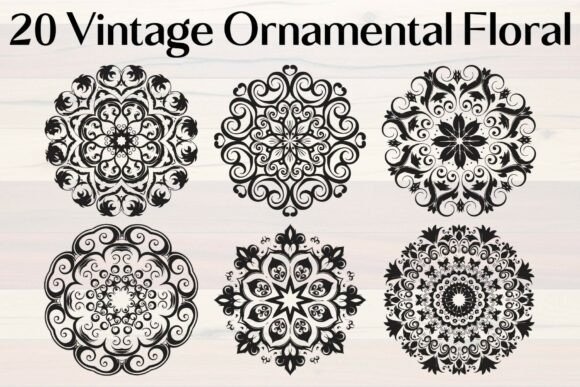
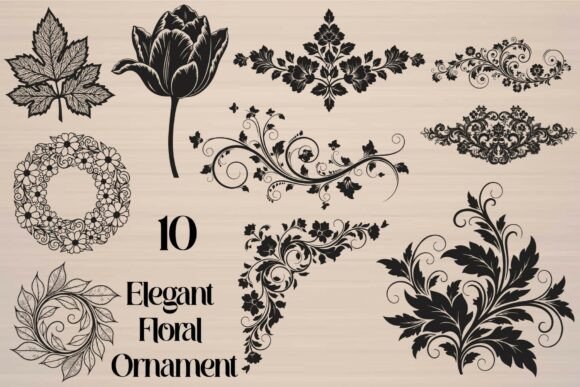
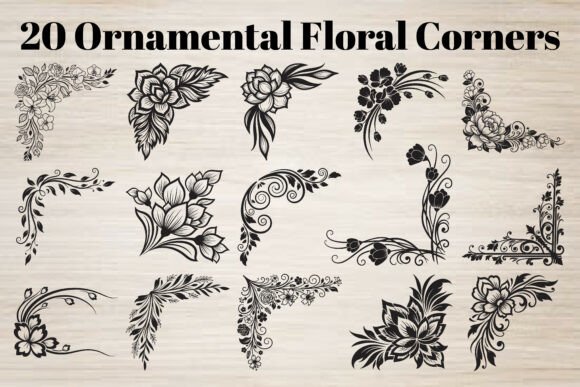
The moment you import the file, the embroidery design exudes a specific kind of elegance. Unlike some generic floral patterns that feel mass-produced, these corner elements possess a distinct personality. They feel curated, bridging the gap between a Victorian garden and a contemporary minimalist aesthetic. This versatility is rare. Most designers struggle to find assets that can transition seamlessly from a rustic wedding invitation to a chic modern tote bag, yet Ornamental Floral Corners manages this duality well.
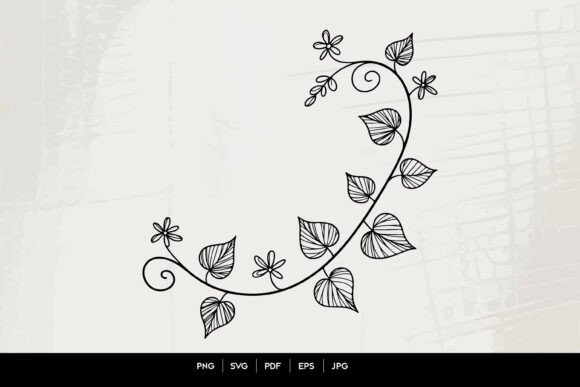
Visually, the layout suggests a focus on framing. These aren't meant to be the centerpiece of a massive blanket; they are intended to accentuate. When placed in the corners of a tea towel or a pillow cover, they draw the eye inward without overwhelming the space. For a small business owner, this is crucial. It allows you to maintain brand consistency across various items while adding a touch of high-end finish that customers immediately recognize as professional.
Real Project Scenario: The Custom Tote Bag Challenge
To truly evaluate this asset, I put myself in the shoes of a crafter preparing a custom order. Imagine a scenario where a local coffee shop owner wants a limited run of branded tote bags for a holiday launch. They need something unique that doesn't look like every other embroidered bag on the market. They choose Ornamental Floral Corners to frame the shop's logo.
Here is how the process unfolded. I selected a heavy cotton canvas for the bags, a fabric known for being forgiving but prone to puckering if the stitch density is too high. Using the corner element, I positioned the design in the top left and right corners. The result was striking. The intricate details held their shape beautifully against the textured weave of the canvas. The customer didn't just see a logo; they saw a framed piece of art.
However, this success wasn't guaranteed. If I had used this same design on a stretchy jersey knit for a t-shirt without proper stabilization, the corners might have distorted. The design relies on clean lines and precise curves. On a curved surface like a cap, the perspective shift would require careful repositioning. In this specific case, the flat surface of the tote bag allowed the embroidery file to shine, creating a finished product that felt substantial and valuable.
Navigating Fabric and Surface Limitations
While Ornamental Floral Corners is impressive, it demands respect from the embroiderer. There are specific scenarios where this design should be approached with caution. If you are working with thin, delicate fabrics like chiffon or lightweight silk, the density required to make the floral details pop could easily cause the material to tear or pucker.
Similarly, dark fabrics present a challenge. Unless you plan to use a dense underlay or a contrasting thread color that stands out sharply, the intricate details might get lost in the shadows. I found that testing the design in black and white mockups before stitching was a wise move. It helped me visualize how the negative space interacts with the background color. If you are designing for a commercial embroidery project involving varied inventory, knowing which fabrics work best is half the battle.
Another critical factor is the hoop size. These corner elements contain fine details. If your machine's hoop is too small, you might have to split the design, which risks misalignment. Conversely, if the design is too large for the area you are decorating, it will look clumsy. Always verify the dimensions of the machine embroidery design relative to your intended product. For instance, using this detailed pattern on a tiny baby bib might result in a cluttered look that overwhelms the infant's features. It is better suited for larger surfaces like aprons, sweatshirts, or pillow covers where the detail has room to breathe.
Stitch Quality and Thread Selection
The visual appeal of the final product hinges on the threads you choose. Because the design mixes satin stitch areas with fill stitch and running stitch elements, thread choice is paramount. High-quality polyester threads often bring out the sheen in the satin sections, making the flowers look lush. Cotton threads, while natural, might not provide the same level of crisp definition in tight corners.
I also recommend checking the stabilizer type. For a tote bag design made of heavy canvas, a cut-away stabilizer provides the necessary support to keep the corners from sagging over time. For lighter projects like kitchen towels, a tear-away might suffice, but only after a thorough test. Skipping this step can lead to a finished product that looks great initially but degrades after the first wash, damaging your reputation as a maker.
Strategic Use for Digital and Physical Sellers
For those selling digital embroidery files or creating printable mockups, this bundle offers significant value. The mix of styles allows you to create diverse listings that appeal to different demographics. You can market the vintage aspect to bohemian buyers and the modern elements to contemporary decorators. This flexibility increases your chances of capturing a wider audience on platforms like Etsy.
When creating a custom apparel listing, showing the design on multiple backgrounds—light and dark, smooth and textured—builds trust. It demonstrates to the buyer that you understand the technical limitations and artistic possibilities of the medium. A small shop product that feels thoughtfully designed commands a higher price point because it signals professionalism.
However, always remember to check the licensing terms before selling any items made with these designs. Some design assets are strictly for personal use, while others allow commercial production. Assuming you can sell hundreds of embroidered patches based on this bundle without verifying the license is a risk no entrepreneur should take. Confirm whether the embroidery project rights extend to reselling the physical goods or just the digital file itself.
Final Thoughts on Practical Application
Ornamental Floral Corners is more than just a pretty graphic; it is a functional tool for elevating your craft business. It brings a sense of refinement to everyday items, turning a simple towel into a thoughtful gift or a basic hat into a boutique accessory. The key to success lies in understanding its strengths and respecting its limitations.
If you are a designer looking to add depth to your portfolio, or a crafter wanting to impress clients with polished results, this bundle is worth exploring. Just remember to test on scrap fabric first, pay attention to thread contrast, and ensure your stabilizer game is strong. With the right approach, these corner elements can become a signature part of your creative workflow, helping you build a brand that stands out in a crowded marketplace.