Celtic Floral Heart Pendant Laser Cut Review
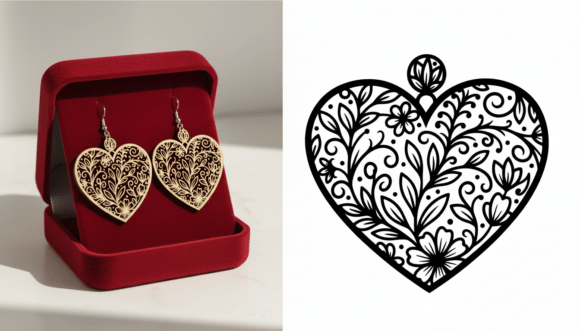
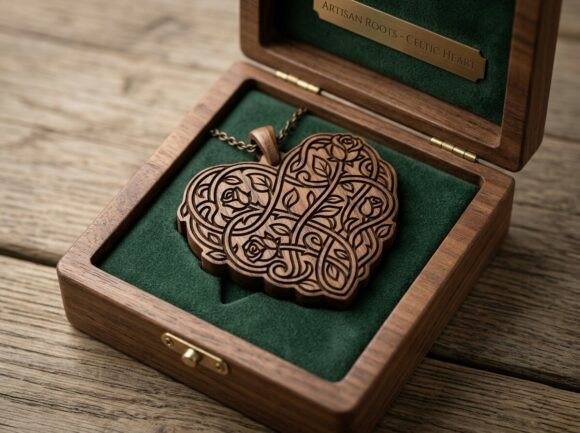
When I first opened the files for the Celtic Floral Heart Pendant Laser Cut, my initial reaction was a mix of curiosity and caution. As a designer who spends hours evaluating digital assets for real-world production, I look past the pretty preview image to see how the design will actually behave under the needle. This piece sits at the intersection of Crafts and Graphics, offering a unique challenge: it is designed as a laser cut shape but promises to be a robust machine embroidery design. The intricate wove pattern suggests a level of detail that could easily get lost if not handled with precision.
The First Impression: Mood and Visual Personality
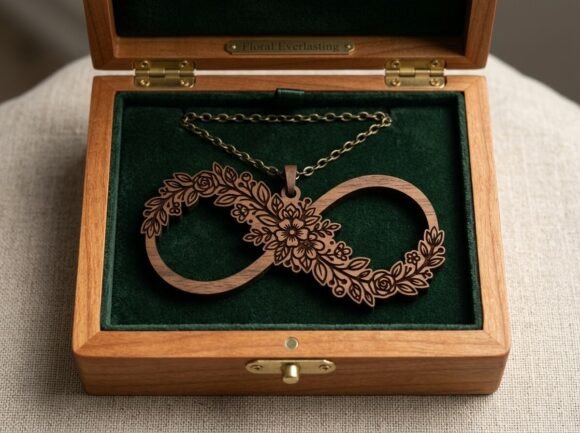
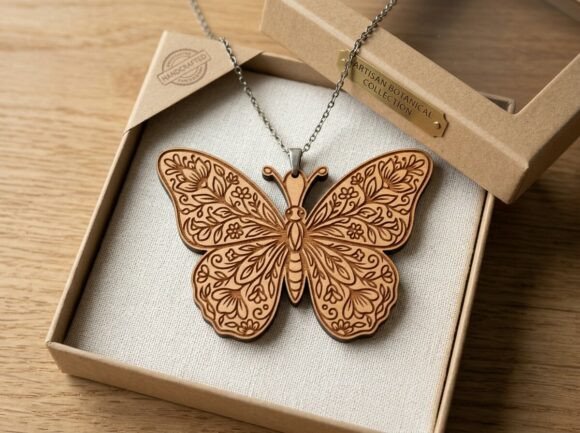
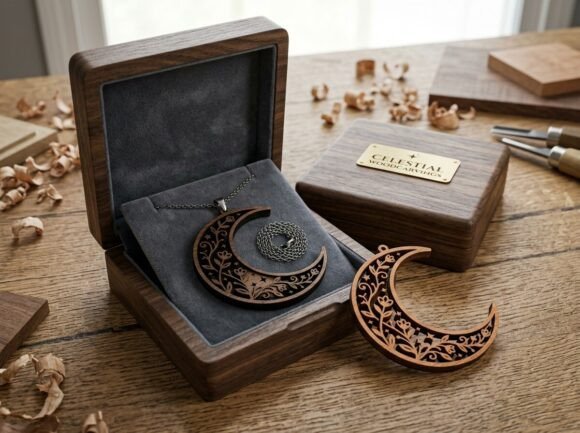
The Celtic Floral Heart Pendant Laser Cut immediately evokes a sense of heritage and timeless romance. The interlocking knots combined with floral elements create a visual rhythm that feels both structured and organic. It is not a generic heart; it has weight and history. For a small business owner or an Etsy seller, this mood is gold. It translates perfectly into products that need to feel personal, meaningful, and high-quality. Whether you are creating a wedding gift, a boutique item, or a custom apparel piece, this design carries a narrative that customers can feel even before they touch the fabric.
The layout is balanced, making it versatile enough for various applications. However, the "laser cut" aspect of the title raises questions about its performance as a pure embroidery file. Does the design rely on negative space that might collapse in stitching? Or does it offer solid fill areas that provide texture? From a design perspective, the potential for a stunning finished product is there, provided the stitch density is managed correctly. It feels like a design meant for someone who values craftsmanship over speed.
Real-World Application: A Custom Tote Bag Scenario
To truly understand the value of the Celtic Floral Heart Pendant Laser Cut, let's imagine a specific project. I recently needed a design for a limited-run collection of tote bags for a local craft fair. The goal was to create a bag that stood out on a crowded table, something that would catch the eye of a shopper looking for a unique personalized gift.
I tested the Celtic Floral Heart Pendant Laser Cut on a sturdy canvas tote. The placement was crucial here. Because the design features detailed corners and intricate weaving, I placed it centrally on the front panel rather than near the seams or handles. The result was striking. The satin stitch along the outer edges gave the pendant a polished, almost jewelry-like finish, while the fill stitch inside the floral motifs added depth. When customers picked up the bags, they didn't just see a logo; they saw a story. The design elevated the perceived value of the tote, making it feel like a premium handmade product rather than a mass-produced accessory.
This same logic applies to other projects. Imagine this design embroidered on a baby blanket for a nursery decor line, or perhaps as a patch on a denim jacket for a custom apparel shop. The versatility is impressive, but it requires the right approach. The design works best when the background fabric allows the details to breathe. On a dark fabric, the contrast needs to be sharp, which means selecting thread colors carefully. If the background is textured, the fine lines of the Celtic knot might disappear, so testing is non-negotiable.
Where to Use It (and Where to Proceed with Caution)
While the Celtic Floral Heart Pendant Laser Cut is a powerful asset, it is not a one-size-fits-all solution. As an experienced reviewer, I must point out where this design might struggle. Small hoop sizes are the first red flag. If you attempt to digitize or stitch this design on a 4x4 inch area without scaling down significantly, the intricate wove pattern will likely turn into a muddy blob. The resolution of the design demands space to shine.
Similarly, stretchy fabrics like jersey knits or thin materials like silk require extra stabilization. The tension required to hold the detailed running stitch and satin stitch sections together could distort a delicate fabric. If you are working on a cap or a curved surface, be aware that the flat nature of the design might not conform well to the curve without significant puckering. In these cases, the design might need to be simplified or adapted specifically for the curvature of the hat.
Dense stitch areas are another consideration. If the original file relies heavily on dense fills to create the "wove" effect, it could lead to needle breakage or difficulty in threading through thick layers of fabric. For products that need frequent washing, such as kitchen towels or aprons, ensure the stabilizer used is durable enough to support the design over time. A digital embroidery file is only as good as the execution, and sometimes the most beautiful designs fail because the technical setup wasn't robust enough.
Impact on Brand and Customer Trust
In the world of craft business and Etsy selling, presentation is everything. A poorly executed design can make even the best product look cheap. The Celtic Floral Heart Pendant Laser Cut, when done right, signals professionalism. It shows that you care about the details. Customers are increasingly savvy; they can tell the difference between a rushed job and a meticulously crafted item. This design helps bridge that gap.
When you use this design for commercial embroidery projects, it adds a layer of sophistication. It transforms a simple embroidered patch into a collectible element. It turns a standard tote bag design into a statement piece. The visual appeal directly influences customer trust. If the stitching is clean, the thread colors pop, and the shape is true to the original concept, buyers are more likely to return and recommend your shop. Conversely, if the design looks distorted or the threads are mismatched, it undermines the brand identity.
Practical Designer Notes for Success
Before you commit to a full production run with the Celtic Floral Heart Pendant Laser Cut, follow these practical steps to ensure success:
- Test on scrap fabric first: Always run a test stitch on a piece of scrap material that matches your final project fabric. This reveals issues with tension, density, and stability before you ruin a valuable garment.
- Check thread color contrast: Ensure your chosen thread colors provide enough contrast against the fabric. Light threads on light fabric or dark threads on dark fabric can cause the intricate details to vanish.
- Review stitch density: Inspect the file for areas that might be too dense. If the design calls for heavy fills, consider adjusting the density slightly to prevent bulkiness and needle damage.
- Confirm hoop size: Verify that your machine's hoop can accommodate the design dimensions without cutting off any critical details. You may need to resize the design digitally before importing it.
- Inspect small details: Zoom in on the digital preview. Are the tiny knots clear? Will they hold up in physical stitching? If the details are too fine, they may not translate well to thread.
- Test black and white mockups: Create a grayscale version of the design to see how the shapes interact without the distraction of color. This helps identify balance issues.
- Use proper stabilizer: Choose a stabilizer that matches the weight of your fabric. For heavy items like sweatshirts, a cut-away stabilizer is often necessary to maintain the shape of the embroidery project after washing.
- Verify licensing: Before selling finished items or distributing the design assets, confirm the license terms. Some files allow personal use only, while others permit commercial sales of the finished product.
The Celtic Floral Heart Pendant Laser Cut is more than just a graphic; it is a tool for creativity. It offers a blend of tradition and modernity that resonates with today's market. By approaching it with the right technical preparation and a keen eye for detail, you can create finished products that are not only visually stunning but also commercially viable. Whether you are a hobbyist making a holiday gift or a professional decorator building a catalog, this design has the potential to elevate your work. Just remember: the magic happens in the execution, not just the file.